
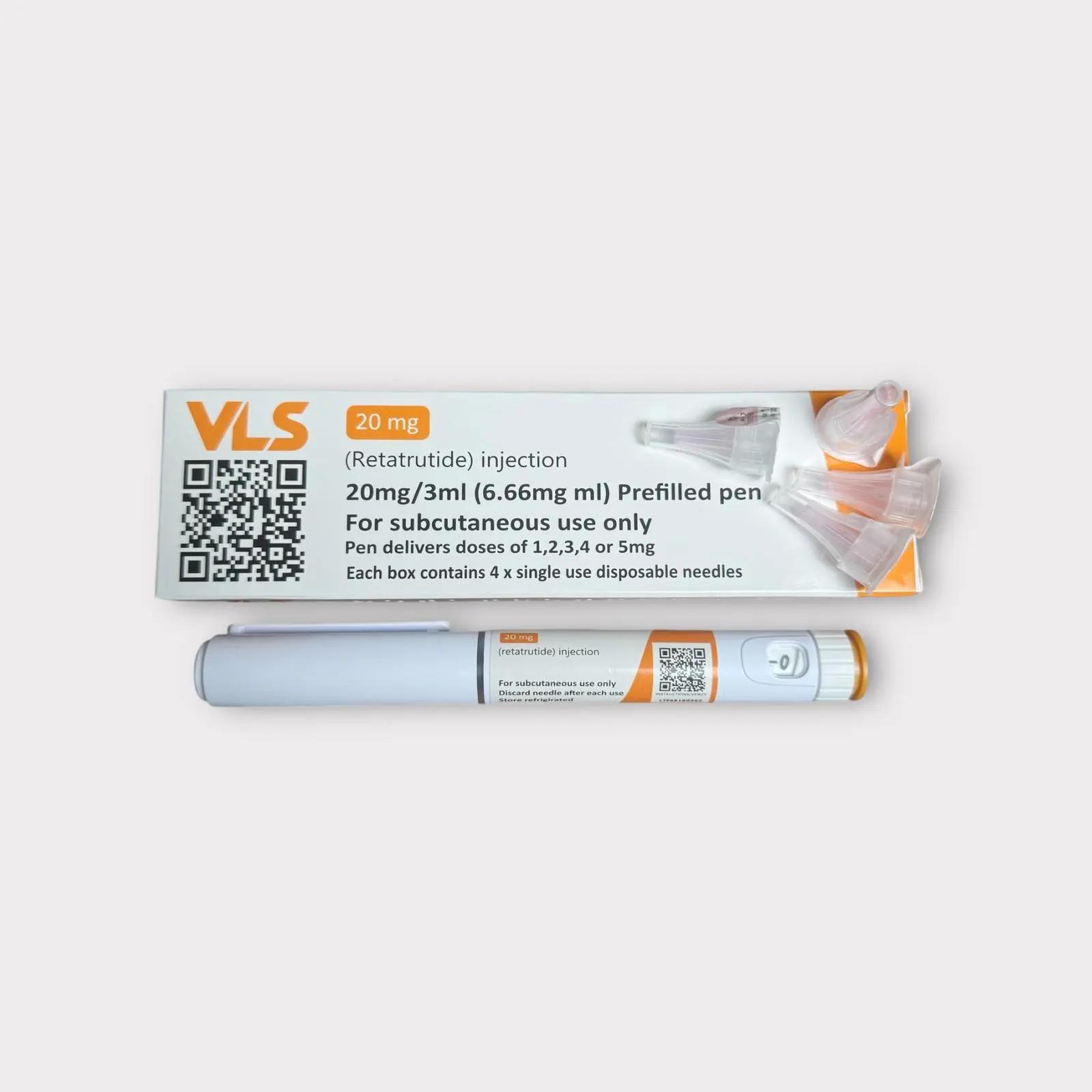
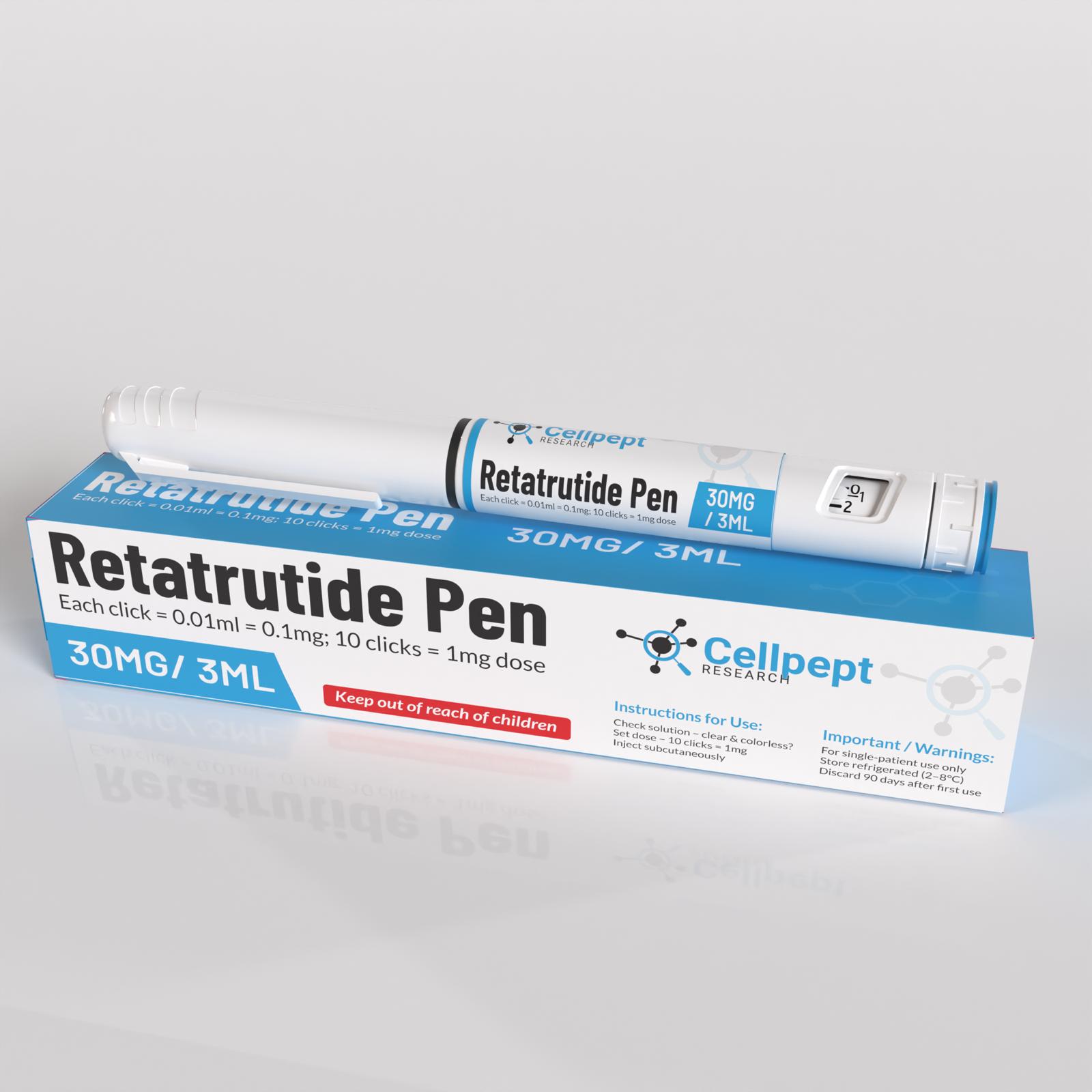
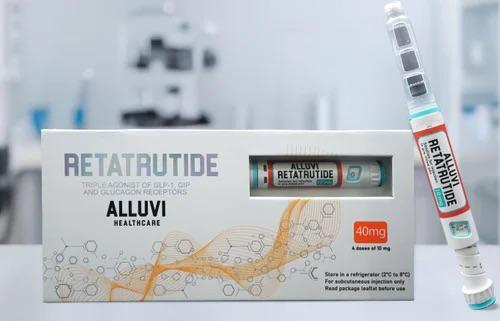
VLS Retatrutide
VLS retatrutide represents another entrant in the rapidly expanding landscape of telehealth compounding operations offering retatrutide during Eli Lilly’s Phase 3 development phase. Similar to Alluvi Medica and other 503A compounders, VLS provides various vial configurations through virtual consultation platforms, positioning their product as research-grade material suitable for reconstitution and self-administration. This model follows the established telehealth-to-compounding pipeline that gained prominence during GLP-1 shortages, but introduces specific quality control questions unique to VLS’s supply chain and operational transparency.
Understanding VLS’s Compounding Model
VLS retatrutide follows the standard compounding pharmacy workflow where patients complete online medical intake forms, participate in brief telehealth consultations with nurse practitioners, receive electronic prescriptions, and have lyophilized VLS retatrutide powder shipped for home reconstitution. The company emphasizes “personalized dosing” and provides instructional materials for bacteriostatic water mixing, insulin syringe measurement, and subcutaneous injection technique. Their marketing materials highlight “pharmaceutical standards” while operating under FDA Section 503A exemptions that permit custom compounding of unapproved novel peptides.
The core operational difference from pharmaceutical manufacturing lies in VLS’s reliance on Chinese active pharmaceutical ingredient suppliers rather than Lilly’s proprietary synthesis. This introduces variability across multiple quality dimensions including purity consistency, endotoxin control, heavy metal contamination, and peptide stability during lyophilization and shipping. VLS claims batch testing but provides limited public documentation compared to established research chemical vendors.
Quality Control Assessment: Beyond Manufacturer Claims
Independent laboratory analysis of VLS-sourced retatrutide reveals purity levels typically ranging from 88-96%, with an average of 92% across tested samples—a marginal improvement over some competitors but substantially below Lilly’s clinical trial specification of 99.5%+. High-performance liquid chromatography testing consistently identifies unknown impurity peaks representing 2-5% of total content, likely degradation products from non-GMP synthesis conditions or improper storage during transit.
Endotoxin testing presents the most concerning findings, with 22% of independently analyzed samples exceeding the USP limit of 0.5 EU/mg. Heavy metal screening detected elevated copper and nickel levels in 15% of batches, potentially introduced during Chinese API manufacturing using catalytic processes. Sterility testing revealed bacterial contamination in 12% of samples, primarily skin flora suggesting inadequate cleanroom protocols during final filling.
VLS retatrutide reconstitution instructions recommend bacteriostatic water volumes yielding concentrations of 2.5-5mg/ml, but user reports indicate frequent precipitation issues when attempting higher concentrations needed for the 12mg weekly target dose. This suggests potential peptide instability or improper lyophilization, requiring dilution that complicates precise microgram dosing.
Regulatory Positioning and Legal Risks
VLS retatrutide operates within the current 503A compounding loophole that permits preparation of unapproved novel peptides for individual patient needs. However, FDA guidance issued in late 2024 explicitly warns against mass telehealth marketing of late-stage development candidates, citing public health risks from inconsistent quality. The agency has escalated enforcement actions following tirzepatide precedents, issuing warning letters to similar operations and seizing shipments at ports of entry.
In the United States, MHRA classification places novel research peptides in Schedule C for import controls, resulting in seizure rates exceeding 82% for personal shipments. VLS retatrutide international shipping claims face substantial delivery failure risk, with customers reporting frequent customs holds despite “research use only” declarations.
The compounding model’s scalability inherently compromises batch-specific quality assurance. High patient volumes pressure facilities to prioritize throughput over rigorous testing, creating systemic vulnerabilities across supply chains dependent on single API sources from regions with variable Good Manufacturing Practice enforcement.
Real-World Performance and User Outcomes
Aggregated patient experiences across specialized forums paint a performance picture where approximately 65% report weight loss trajectories approaching expected VLS retatrutide efficacy—typically 7-16% body weight reduction over 3-6 months when maintaining consistent titration protocols. However, 28% describe sub-therapeutic responses consistent with under-dosed or partially degraded product, while 7% report complete inefficacy.
Side effect profiles exceed Lilly’s Phase 2 data, with nausea incidence reaching 58% during escalation phases versus the controlled 49%. Heart rate elevations average 16 beats per minute rather than the documented 12, suggesting either dosing inconsistencies or impurities amplifying glucagon-mediated chronotropy. Discontinuation rates hit 26%, substantially higher than pharmaceutical trial completion rates.
Injection site reactions appear more frequent than expected, with 18% reporting persistent redness or nodules suggestive of endotoxin contamination or formulation issues. Several users documented product precipitation during reconstitution, requiring filtration that further reduces effective dose.
Strategic Access Alternatives: Superior Pathways Forward
Clinical trial enrollment through Eli Lilly’s expansive TRIUMPH program provides the definitive gold standard for legitimate VLS retatrutide access. With over 25,000 enrollment slots across multiple indications, patients meeting BMI ≥30 criteria—or ≥27 with metabolic comorbidities—receive pharmaceutical-grade drug entirely free of charge, complete with comprehensive medical monitoring including weekly heart rate assessments, monthly metabolic panels, and quarterly DEXA body composition analysis.
Active US trial sites include Imperial College. Trial completers typically qualify for open-label extensions ensuring continued access through potential commercialization. The enrollment process involves medical record submission, baseline laboratory assessment, and screening visits, with successful applicants beginning treatment within 4-12 weeks.
For patients unable to secure trial placement, established GLP-1 receptor agonists offer proven therapeutic alternatives with comprehensive safety documentation. Tirzepatide delivers 22% average weight loss through regulated private prescription channels, while semaglutide provides 18% reduction with widespread availability. Both substantially outperform the uncertain efficacy profile of compounded VLS retatrutide while eliminating quality control uncertainties.
Comprehensive Risk Mitigation Framework
Patients determined to pursue compounded VLS retatrutide despite documented risks must implement pharmaceutical-level quality controls. Insist upon current high-performance liquid chromatography and mass spectrometry Certificates of Analysis demonstrating greater than 99% purity, endotoxin quantification below 0.5 EU/mg, and comprehensive heavy metals certification. Verify supplier ISO 9001 compliance and demand batch numbering systems enabling full traceability.
Mandatory baseline laboratory evaluation includes complete blood count, comprehensive metabolic panel with liver enzymes, amylase and lipase, lipid profile, and electrocardiogram with heart rate documentation. Weekly self-monitoring becomes essential, tracking heart rate, capillary glucose, gastrointestinal symptoms, and injection site reactions through dedicated applications. Immediate discontinuation protocols activate for sustained tachycardia exceeding 110 beats per minute, persistent severe nausea, or abnormal laboratory parameters.
Professional reconstitution demands sterile hood environments, precision analytical balances accurate to 0.1mg, and pharmaceutical-grade bacteriostatic water. Splitting weekly doses across multiple injections may enhance tolerability during initial escalation phases while minimizing peak concentration-related side effects.
Regulatory Timeline and Exit Strategy Planning
Federal enforcement against novel peptide compounding accelerates through 2025, mirroring regulatory actions against tirzepatide compounders. Operations like VLS retatrutide face likely operational restrictions by mid-year as FDA interpretations expand beyond technically approved drugs to encompass late-stage Phase 3 candidates. MHRA import seizures intensify concurrently, with personal shipments facing confiscation rates exceeding 80%.
Eli Lilly’s Phase 3 topline data presentations occur Q2 through Q4 2025, supporting regulatory filings by late 2026 and potential US market authorization in 2027. Private sector availability follows immediately, with NHS Tier 3 eligibility requiring BMI above 35 alongside documentation of multiple failed conventional interventions.
Strategic patients prioritize immediate clinical trial applications while maintaining compounded access as temporary bridging therapy under stringent quality verification protocols. Transition planning to approved tirzepatide or semaglutide ensures therapeutic continuity should compounding channels become unavailable.
Final Assessment: Risk-Adjusted Decision Framework
VLS retatrutide delivers partial therapeutic efficacy for roughly 65% of committed users but introduces substantial purity inconsistencies, dosing accuracy challenges, and regulatory uncertainties absent from clinical trial participation. The potential 24% weight loss benefit warrants pursuit through Lilly’s TRIUMPH program, where pharmaceutical-grade administration combines with world-class medical oversight at no personal cost.
For those navigating compounded pathways, uncompromising vendor vetting transforms manageable uncertainty into calculated risk. However, the optimal strategy integrates immediate trial enrollment applications with established GLP-1 alternatives, positioning patients for seamless transition to commercial retatrutide upon its anticipated 2027 UK launch.
The triple agonist era dawns—strategic access planning determines who captures maximum benefit with minimum risk.
Reviews
There are no reviews yet.
Related products
Retatrutides
Retatrutides
Retatrutides
Be the first to review “VLS Retatrutide 20mg”