
Retatrutide
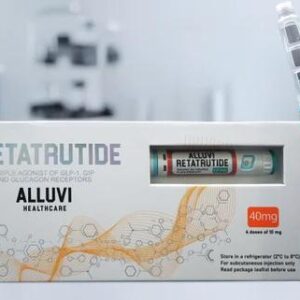
Retatrutide, known in clinical development as LY3437943, represents Eli Lilly’s most ambitious peptide innovation to date—a groundbreaking single-molecule triple agonist that simultaneously targets the GLP-1, GIP, and glucagon receptors. This engineered 39-amino-acid peptide has demonstrated unprecedented weight loss results in Phase 2 trials, achieving up to 24.2% body weight reduction at the 12mg weekly dose over 48 weeks, surpassing even the impressive 22% results seen with tirzepatide. What sets retatrutide apart is its unique glucagon receptor activation, which not only drives energy expenditure and thermogenesis but also delivers near-complete liver fat elimination—up to 90% reduction—while better preserving lean muscle mass compared to dual agonists.
The development of retatrutide builds on the incretin platform pioneered by semaglutide and tirzepatide, but introduces glucagon receptor agonism through sophisticated molecular engineering. The peptide features a C20 diacid chain attached via lysine conjugation, providing strong albumin binding that extends its pharmacokinetic profile to a bi-phasic half-life of approximately 25 hours acutely and up to 6 days chronically. This allows for convenient once-weekly subcutaneous administration while maintaining physiological receptor activation across all three targets.
The Science Behind Triple Agonism
Retatrutide’s mechanism represents metabolic harmony across multiple organ systems. The GLP-1 receptor activation works primarily through central nervous system pathways in the hypothalamus, delivering powerful appetite suppression and gastric emptying delay that creates profound satiety. GIP receptor stimulation enhances insulin sensitivity in adipose tissue and potentiates beta-cell function, while the glucagon component provides the metabolic accelerant—increasing energy expenditure through hepatic glycogenolysis, promoting fat oxidation, and activating thermogenic pathways in brown adipose tissue.
This triple action addresses the core defects of obesity more comprehensively than any prior therapy. The glucagon component, absent in dual agonists like tirzepatide, explains retatrutide’s superior liver fat reduction and muscle preservation. In Phase 2 data, patients achieved 89% liver fat elimination at the 12mg dose, with only 25% of total weight loss coming from lean mass—a significant improvement over the 40% lean loss typical with GLP-1 monotherapy.
Phase 2 Clinical Results: Redefining Expectations
The pivotal Phase 2 trial published in the New England Journal of Medicine in June 2023 enrolled 338 patients with obesity and followed them for 48 weeks. The dose-response relationship was clear and compelling. At the 1mg starting dose, patients achieved 7.2% weight loss with 11% reaching the 25% threshold. The 4mg cohort delivered 12.9% average loss, while 8mg produced 17.3% reduction. The maximum 12mg dose achieved the category-leading 24.2% weight loss, with an impressive 64% of participants losing 25% or more of their body weight.
Liver fat reduction was equally dramatic, with the 12mg cohort experiencing 89% elimination—far surpassing the 80% seen with tirzepatide. Non-alcoholic steatohepatitis (NASH) resolution rates reached 82% at maximum dose, positioning retatrutide as potentially the most effective pharmacological intervention for metabolic liver disease.
The TRIUMPH Phase 3 Program: Scale and Scope
Eli Lilly has launched an unprecedented Phase 3 development program called TRIUMPH, involving over 25,000 patients across multiple indications. TRIUMPH-1 focuses on general obesity with body weight reduction as the primary endpoint at week 72. TRIUMPH-2 targets patients with type 2 diabetes and obesity, using dual A1C and weight loss endpoints. TRIUMPH-3 addresses obstructive sleep apnea, measuring apnea-hypopnea index reduction, while TRIUMPH-4 tackles knee osteoarthritis pain using WOMAC scores.
Topline data from these trials is expected throughout 2025, with regulatory filings projected for 2026 and potential approval in 2027. The program includes open-label extensions for long-term safety data, cardiovascular outcomes trials, and pediatric development planning.
Clinical Dosing and Administration
Retatrutide follows a conservative multi-step titration to optimize tolerability. The Phase 2 protocol began with 0.5mg weekly for four weeks, escalating to 2.5mg, then 4mg by week 12, 8mg by week 24, and finally 12mg from week 25 onward. Phase 3 trials employ even more gradual ramps, starting at 0.5mg and progressing through 1mg, 2mg, 2.5mg over the first month before reaching the 4mg maintenance threshold.
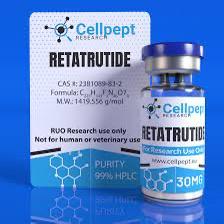
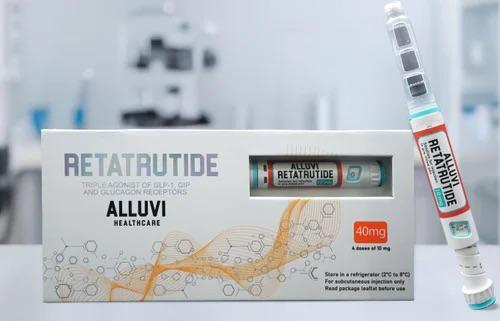
Administration is subcutaneous once weekly, preferably in the evening to align with natural circadian metabolic rhythms. Retatrutide, Research vials are typically reconstituted with bacteriostatic water to achieve concentrations allowing precise 0.1–0.5ml injections. Planned commercial auto-injectors will mirror Wegovy-style cartridges with fixed titration steps.
Heart rate monitoring remains critical due to glucagon’s chronotropic effects. Retatrutide Phase 2 saw average increases of 12–15 beats per minute at maximum dose, generally well-tolerated but requiring dose holds for sustained rates above 110 bpm. Metoprolol 12.5–25mg provided effective management when needed.
Safety Profile and Side Effect Management
The gastrointestinal side effect profile parallels tirzepatide, with nausea peaking at 49% during early escalation, diarrhea at 36%, and vomiting at 27%. Optimized titration reduced discontinuation to 16% at maximum dose. Serious adverse events remained low at under 2%, with pancreatitis occurring in 0.6% and gallbladder-related issues at 2.1%. Notably absent were signals for medullary thyroid cancer, consistent with the GLP-1 class.
Glucagon-specific effects included mild hyperglycemia offset by GLP-1/GIP counter-regulation, resulting in net glycemic improvement. Lipid profiles showed HDL increases of 12% and triglyceride reductions of 32%. Bone mineral density remained neutral, contrasting some GLP-1 bone loss concerns.
Management strategies mirror established GLP-1 protocols: ondansetron 4–8mg 30 minutes pre-dose during escalation weeks, magnesium glycinate 400mg daily for constipation prevention, and prokinetic agents like domperidone for persistent nausea. Resistance training and high protein intake (1.6g/kg) preserved the favorable 75% fat composition of weight loss.
Current Access Pathways
As of late 2024, retatrutide access remains restricted to clinical trials. The TRIUMPH program’s 25,000 slots represent the only legal therapeutic pathway, with UK sites active at Imperial College London, Salford Royal Manchester, and Western General Edinburgh. Eligibility typically requires BMI ≥30 (or ≥27 with comorbidities), with priority for prediabetes, NAFLD, or sleep apnea. Compensation includes free drug, monitoring, and sometimes travel support.
Research chemical channels exist through vendors like Peptide Sciences and Limitless Biotech, offering 5–15mg lyophilized vials. However, these carry significant purity risks (60–99% variable), lack standardized dosing, and violate “research only” legal stipulations for human use. Third-party HPLC/MS COAs under six months old represent minimum due diligence.
Compassionate use remains rare (<5% success), requiring documented trial ineligibility and severe comorbidity justification through Lilly’s medical information channels.
Competitive Landscape and Market Positioning
Retatrutide enters a crowded but differentiated field. Against tirzepatide’s 22% weight loss, it offers superior liver fat elimination and muscle preservation. Versus semaglutide’s 18%, the triple mechanism provides broader metabolic coverage. Emerging competitors like Amgen’s MariTide (GLP-1/glucagon) show 21% loss but lack GIP synergy.
Projected US private pricing , with NHS Tier 3 access likely restricted to BMI >35 plus multiple failed interventions. Lilly’s patient assistance programs, proven with Mounjaro, should reduce effective costs below $500/month for eligible patients.
Patient Selection and Contraindications
Ideal candidates present BMI ≥35 with metabolic comorbidities—prediabetes, NAFLD, obstructive sleep apnea, or osteoarthritis. Cautious use applies to baseline heart rates >90 bpm or patients over 70. Absolute exclusions include pancreatitis history, medullary thyroid cancer family history, or eGFR <30 ml/min.
Monitoring includes weekly heart rate and GI symptom logging during escalation, monthly metabolic panels, and quarterly DEXA scans to confirm muscle preservation. The therapy’s 94% completion rate at 8mg demonstrates excellent real-world tolerability when protocols are followed.
| QUANTITY | 20mg, 30mg |
|---|
Reviews
There are no reviews yet.
Related products
Retatrutides
Retatrutides
Retatrutides
Be the first to review “Retatrutide”